
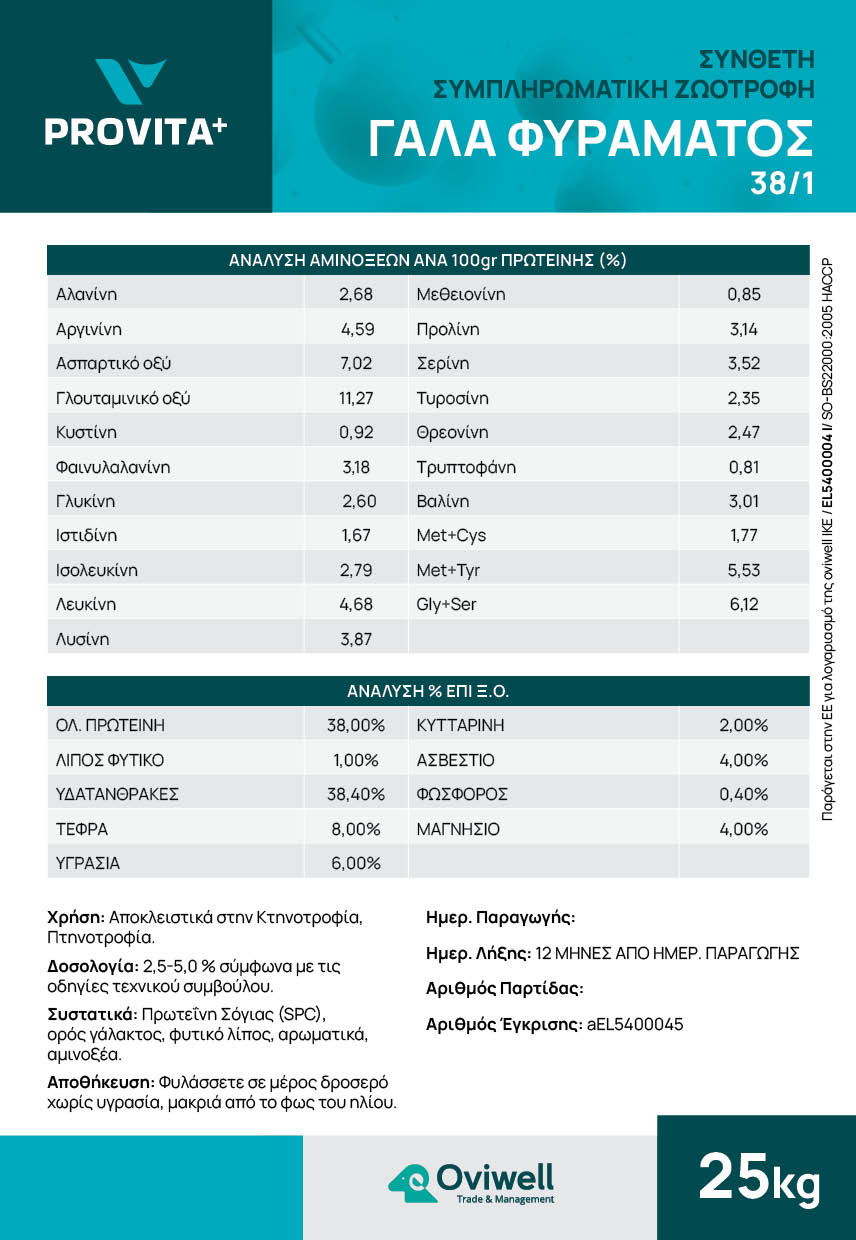
- TOTAL PROTEIN: 38.00%
- VEGETABLE FAT: 1.00%
- CARBOHYDRATES: 38.40%
- ASH: 8.00%
- MOISTURE: 6.00%
- CELLULOSE: 2.00%
- CALCIUM: 4.00%
- PHOSPHORUS: 0.40%
- MAGNESIUM: 4.00%
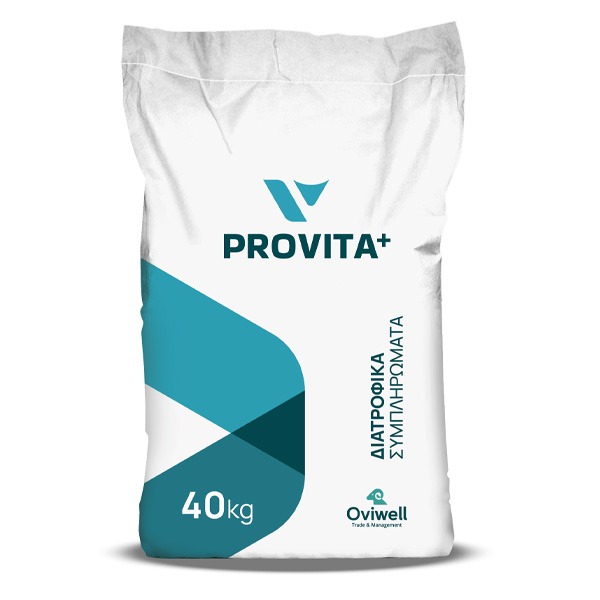
38/1 Feed-grade milk powder
Compound Supplementary Animal Feed Protein | Milk Replacer Animal Feed – Grade milk powder
38/1 PROTEIN Feed-grade milk powder is a high-quality protein feed milk substitute. Specially designed to support formulations where an increase in quality protein is required. It helps the vitality and development of young animals, from the very first days of their life when they enter dry food. In addition to its excellent composition and stability, it improves the aroma and taste of the food, thus increasing food intake, making it easy to use by every producer and suitable for inclusion in compound feeds.
38/1 PROTEIN Feed-grade milk powder is a high quality protein source complementary feed. Rich in proteins of high biological profile, it enhances the nutritional requirements in the sensitive phase of weaning. It ensures stability, high digestibility and bioavailability of amino acids.
38/1 PROTEIN Feed-grade milk powder works in a complementary way with breast milk or technical milk, supporting early feeding with palatable ingredients that stimulate food intake. For this reason, its participation in the habituation and weaning mixtures is considered essential as it improves feed intake and supports smooth weaning, reducing transitional losses (breakage).
38/1 PROTEIN Feed-grade milk powder enhances compound feeds with:
- Proteins of high biological value.
- Inorganic elements and trace elements.
- Digestive enhancers for palatability and absorption
- Designed to increase the content of functional nutrients and improve the balance of amino acids, without a false increase in total nitrogen and fat.
38/1 PROTEIN Feed-grade milk powder in the diet of young animals contributes to:
- Smooth transition from weaning.
- Saving natural or technical milk, increasing marketable milk.
- Stabilization of appetite and improvement of digestion.
- Higher productivity and zootechnical indicators.
- Reduction of feeding costs with better utilization of the ration.
- Strengthening the technical and economic efficiency of the unit.